I'm pleased to welcome you to a venture I've been contemplating for some time, the creation of Professor Haberdash's Multifarious Menagerie. I'll be honest and admit that the title of this blog is scarcely older than the blog itself, but the idea has been being kicked around in my mind for a while.
That being said, I suppose I should explain exactly what this little spot on the internet is for, and what drove me to put it up. As you can tell from a brief glance at my profile, I have a rather myriad set of interests that lead me down interesting paths of research and dabbling in all sorts of arts, crafts, and areas of study. Throughout all of this, I've often had thoughts I wanted to share with the world that often remains constrained to a small group of friends who have heard me natter about this place before.
So here it is, a place for me to dump my ideas, to share information I've come across I've found interesting and to ply my trade as a professional content writer. What you discover here will range from subjects as mundane as the latest beauty trends to things as esoteric as creepypastas I've found and enjoyed and recipes for bath and body products I've deigned to use.
I hope that you find something of interest to you here, and articles worthy of comment.
While you're here, why not give my (as of this posting barren) Twitter a follow at @MengarieMe5
Monday, November 8, 2100

Monday, October 7, 2019
7D2D A18 First Impressions: When the Professor Got Lucky.
Something unprecedented and serendipitous happened in the life of your humble Professor this weekend past. I gained access to the A18 launch a day before the general public, which filled me with monumentous joy. I was still after those blessed Streamers who were graced with a code on Friday, but even this mere 24-hour lead was something to celebrate.
I immediately dived in full assumptions about how they adjusted things based on their dev log. My experience was of an update far better balanced than I anticipated, with much to love and a few things that made me apprehensive about the long term experience ahead.
One more issue: These things seem really prevalent on the loot table, and have a reported value of 160 Duke Coins each... A bit too rich for my tastes for something so common.
I immediately dived in full assumptions about how they adjusted things based on their dev log. My experience was of an update far better balanced than I anticipated, with much to love and a few things that made me apprehensive about the long term experience ahead.
Let's Explore Its Weak Points First
A18 Has Greater Optimization? Perhaps For Some.
A18 hit my robust gaming laptop (16G, 6 processor, 4G GPU) like a ton of bricks at first. The initial load in showed me a beautiful landscape that chugged a bit more than I had expected. Some minor tweaks to the graphics settings (of which there are more than previous, it seems) had it running smoothly with only the occasional hitch. This experience seems to be echoed across the community. Periods of exceptional performance punctuated with odd lag spikes and jerks on even the strongest machines. Ultimately it became hardly noticeable, with a quick freeze sneaking up only once or twice an hour. The Fun Pimps are aware and are working on it, so kudos to them.The Looting Is A Bit Monty Haul IMO
When I started looting one of the first things that caught my attention was the sheer prevalence and variety of loot. While loot seemed to scale as you advanced in A17, A18 had me in possession of numerous lockpicks (More on these later) a steel sledgehammer, two iron sledgehammers, and 3 stun batons in a matter of moments. The first four items were found spread between one of the new sedans, and one pile of road garbage less than 6 meters from each other. This monty haul of early game loot only continued, with me amassing a couple hundred pistol ammo, two hunting rifles, and a few dozen ammo for that. By the end of my first day, I had looted a junk turret in the house I opted to spend the night with.
For this avid survivalist, this quickly made good loot become blase and the excitement of finding something neat quickly wore off. I could reasonably surmise something better was around the corner. I'll definitely be playing with the loot turned down after I give it a solid go in full vanilla.
Of Feathers And Ammo Caches
Now I want to come back to this aspect of looting. Nests appear half as often and don't seem to have as many feathers in them as previously. The one exception to this was the nest in which I found 105 feathers, which has yet to be repeated. Other than this one fluke, feathers in quantities sufficient to sustain my love of bows were far too few in number. Ammo, on the other hand, seemed to rain from the loot caches. This may be an attempt on TFP's part to rebalance weapon usefulness and distribution, but I don't see it is an improvement.
Sprains/Breaks Seem Less Frequent, And Less Logical
I'm one of those 'devil may care' types when it comes to sprains and breaks. I'll hop off tall buildings to get away from a fight, drop into basements that are inadvisably deep, etc. Following my earlier behaviors, I didn't experience any of the issues with sprains and breaks that I did before. Even when coming off the top of a pawn shop. I don't know if this is intended, but I sincerely hope it isn't. My ability to survive falls unscathed seems neigh on superhuman.What I Love About 7 Days To Die A18
Combat and Zombie Spawns
Now that I've gotten most of my bitches out of the way, let's get on to the things that I fell in love with. They've added a few new weapons, a few new ammo types, and have changed how zombies behave and their spawning habits. All of this comes together to create a far more challenging experience than I had in A17.
Spears... How I love thee.
Spears are easily my favorite addition to A18. They stand in the middle between the melee centered combatant and the ranged specialist. While they don't stack I found it easily worth it to lose a couple of inventory slots to the spear. The spear has a decent range and tends to cause a little bit of knockback even in melee attack form. Throwing the spear, on the other hand, creates a beautiful experience that may even be a bit OP. You can throw a spear by pressing R, resulting in a steadily building strength meter that indicates how far it will go and how hard it will hit. At point-blank range its a damned fine way to knock a zed on its ass and get yourself some much needed breathing space.
My current policy is to head in with three spears on my hot bar and do my best to handle zeds one at a time. Three spears and a poke in the face is enough to take out your basic zeds. Also, you can easily retrieve the spears even in the middle of combat, which means you can just keep the hate coming. Part of me wants to see the spears nerfed a bit, but I wouldn't want them to lose their unique role in combat.
The one bad point about spears? They sometimes pass right through the torso of a target without causing damage. A glitch I'm hoping TFP will be on top of.
Zombie Rage... Take Care
The new enrage mechanic can turn a manageable fight into a very bad situation pretty quickly. When a zombie becomes enraged it suddenly moves faster, even if it's the middle of the day. This left me wondering if they hit harder as well. More playtime will tell (I prefer the experiential route for this kind of learning), but so far it's had a noticeable effect on how I clear a POI.
More Animals... Everywhere
So the balance in this instance seems to have changed as well. The first POI I cleared had three dogs in it. This isn't something I'm used to seeing in the early game. There were also wolves and coyotes out in abundance, and they can seriously screw up your day if you aren't careful. They do run now, but don't trust them. They're certain to come back and ruin your day if you haven't killed them. This I find a bit onerous. If they run, let them run and not come back. Having them run only to later aggro on you again seems disingenuous. For the record, from wolves to pigs, these little bastards seem to hit harder too.
Lockpicking
This aspect of the game adds a fun new element, but there's no minigame or anything involved. My only complaint is that it's not usable on doors. Safes, boxes, and Gun Safes are all open game though. The way they work is every time you use a lockpick, it starts a timer on the object. The timer counts down until you break your lockpick. You can then use another lockpick on the same object, and the timer starts from where it left off. My first gun safe took me three picks to open, which seemed an acceptable amount of resource investment.
One more issue: These things seem really prevalent on the loot table, and have a reported value of 160 Duke Coins each... A bit too rich for my tastes for something so common.
Getting Sick Can Be A Serious Issue
We see the return of the infection in force in A18. Getting hit by a zed is far more dangerous than just having to deal with the damage. They also give you the infection which will kill you in a matter of a couple of days. Honey is out in the world, typically found in stumps, and will be your first antibiotic. After that, you better hope for some good antibiotics or vitamins (Which give you immunity to disease).
Food Sickness? Better be careful with this too. You're playing a dangerous game when you eat food that can give you food sickness. If you get sick, you'll vomit, losing half your remaining hunger. In most cases, this makes your situation worse. I loved the extra challenge this took, and how it made desperate measures a real experience.
Food Sickness? Better be careful with this too. You're playing a dangerous game when you eat food that can give you food sickness. If you get sick, you'll vomit, losing half your remaining hunger. In most cases, this makes your situation worse. I loved the extra challenge this took, and how it made desperate measures a real experience.
No More Dysentery From Canned Foods
This is definitely a plus, especially given how much more dangerous food sickness is (even though it is not directly fatal). When you find canned foods in the wild, you can safely eat them without fear of getting sick.
The Parts I'm Ambivalent About
Getting Clean Water Is Easier... Kind of
So boiling water no longer needs a pot. I'm pretty ok with this particular addition, especially since bottled water now has a 3% chance of giving you dysentery. Only mineral water, teas, and other prepared drinks restore water without leaving you with a risk of dysentery. I think I'd prefer the pot be involved, but that could easily be nostalgia talking.
The Perk System
It's changed, and I haven't nearly enough experience to say whether it's for the best or not. More playtime will be necessary. I do love that leveling is harder than it used to be, but only because it appears there are fewer levels to go through. Again, I can't really comment on my overall feelings about this yet, though I will say it makes me less likely to plug in the 25% XP setting.
Overall
Overall the new version is a lot of fun, and the parts I dreaded aren't as bad as I thought they were going to be. It's a wonderful new development and I'm looking forward to spending more hours of my life on it. I also want to hear what everyone else's experience is, what they love and hate, and how the game is going for them.
Feel free to follow along on my twitch channel to follow along as I play through the new version, and spend some time with A17 as well. Thanks for reading!
Feel free to follow along on my twitch channel to follow along as I play through the new version, and spend some time with A17 as well. Thanks for reading!
Thursday, October 3, 2019
Seven Days To Die, Four Days To Complain - Alpha 18 Releases Monday
So recently my household has taken up playing 7 Days To Die. This isn't the first time I've played the game, but it's been long enough that it was definitely a new experience. My reintroduction was enjoyable enough that I have not one, but two servers that I pay to have hosted. One is for the pack of intractable reprobates I call friends and is set to more or less Vanilla settings. (120 minute days, Zombies walk at all times of day, including horde night.)
The other is set on something I find a bit more interesting, and a bit more challenging. More on that later.
The point of all this is I've been having a great time with my friends and family. As a result, started developing some opinions about the game, and a fondness for the game I was experiencing in its Alpha 17 state. They have announced that Alpha 18 will be being released on Monday. Updates are usually a cause for celebration... and I certainly was interested in what they were going to change.
Then I read the Alpha 18 Official Release Notes.
That's When My Excitement For Seven Days To Die's Alpha 18 Release Waned
Let's be honest, it's got some great stuff in it. Even some of the stuff that doesn't look so great turns out to be alright when you look a little further into it. I'm going to touch on some of the things I love about Alpha 18 first.What's To Love In Alpha 18
- A New Occlusion System - One of the first things I noticed when I started played 7D2D again was just how much of a resource hog it was. Even though I met the minimum requirements my system had trouble running it at absolute rock-bottom settings. The new occlusion system should solve some of that by not rendering things in my field of vision that I can't actually see. Like everything inside a building and what's behind it from my point of view.
- XP Loss On Death - I've always felt that death in a game should hurt, and this new addition should make it sting a little. I'm a tad disappointed there isn't the option to lose levels and their associated perk points by dying, but it's pretty good without it. This change isn't without its issues though. They also removed the existing Death Penalty, but more on that later.
- Melee Changes - As they mentioned in their release notes, melee has always been a bit of a binary situation. You either hit or miss. They've changed this up so that what were misses can now result in glancing blows, and you even have a chance to hit multiple targets based on the swing trajectory of your weapon.
- Dynamic Music System - I'm really interested to see how this system is going to work. The idea is that the music will change based on the environment, time of day, and current activity. It won't just play pre-established tracks, but instead will dynamically generate new tracks in up to "750 unique combinations."
- Infection System - During my time playing in Alpha 17 I've never had to deal with the infection. I have a feeling they either eliminated it for Alpha 17 or set it to be so infrequent I never noticed it. In Alpha 18 we'll be dealing with a much more active and present infection and given multiple options on how to deal with it. Hits by zombies can increase your infection level, and the lower your health, the more likely you are to get infected. Good stuff! It appears we'll be having to deal with food poisoning and dysentery more as well. I'll withhold judgment until I get a chance to play with it.
- More Melee Options - In addition to changing up how melee works, we'll also be getting new weapons! Spears, stun batons, baseball bats, knuckle wraps, spiked knuckles, brass knuckles, all goodies to help us deal a little more hand to hand hate on the zambies.
- No Repeat POIs - This one is big for me. I love that we'll be able to move from town to town and know we won't encounter the same POI (That's Point of Interest, the prefab generated structures in the game) twice in a row. Nothing to hate about that.
- New Mobs - Coyotes, Mountain Lions, Demolition Zombies, all new friends for us to play with, murder, and eat.
What's To Loathe In Alpha 18
Anyone who knows me knows I'm about to lay down some really unpopular opinions, but I don't much care about that. Survival games are fun for me, and I prefer a certain degree of challenge to come with them. I feel like there have been a few steps back in this area with Area 18.- Junk Turrets - A portable turret that can be picked up, slapped down, and used to watch your back in any circumstance? You can take that cheese and fucking toss it, thanks. It doesn't matter how weak or ineffective it is, having my skin crawl because I can only be so certain I'm not being snuck up on.
- Reduced Zombies in POIs - I'm sorry... What? How was this even a good idea? One of the first things I modded in my private server was doubling the zombie spawns because there aleady weren't enough. They've done the same thing across all biomes, reduced zombie spawns... This is one of those where it might not be as bad as it sounds, however. They also increased the RESPAWN rate, which may be a balancing factor that restores the challenge reducing spawns would take away.
- Schematics Teach You A Recipe - Look, thematically I accept that a schematic can be reused and therefore it makes sense for it to teach you a recipe. On the other hand, they limited how many of a thing you could make by being fairly rare drops. Perhaps they've rebalanced ingredient lists to have more individually rare items, but I was fond of the schematic method and am sad to see it go.
- Removing The Death Penalty - 7D2D A17 had a pretty harsh penalty for death. You'd temporarily lose stats, and their associated perks, for a period of a real-life hour. I loved this harsh death penalty a great deal, and removing it just grinds my gears. That being said the XP loss isn't exactly easy on you either, but I'd rather they provided options for one, both, or neither than removing it entirely. This will be one of the things that I look for a mod to replace following the launch of A18.
- Easier Encumbrance - 7D2D already lets you carry a ridiculous number of resources in your backpack at the game start. Now they're giving you an additional line of encumbrance free inventory to use when you join the game. This effectively nerfs the Pack Mule perk and emphasizes the use of clothing mods. In my opinion, they should have left the Pack Mule perk alone. Instead, they should have the pocket mods give you additional inventory space that would always be encumbered when in use, regardless of your pack mule level.
I'm Still Going To Play The Shit Out Of It
In spite of my gripes, I'm still pretty excited about playing Alpha 18. I want to see how my first blush opinions of these changes hold up in the face of actual playtime. I am a bit disappointed that The Fun Pimps continue to take the path of nerfing things and making them 'easier' (read: boring). That being said, they've produced a great game that's eaten a fair amount of my life since I rediscovered it. Who knows, I may just like the changes.Friday, November 16, 2018
Unreal World: Wilderness Survival In Pre-Iron Age Finland
Those who know me know that I have a passion for games that are nearly simulations of reality, with my depth of experience only improving with each new element the game developer adds to mimic reality. Wilderness survival games set in more primitive times, or at least close approximations of them, hold a special place in my heart. It might have something to do with my fascination with ancient technologies, or perhaps it has to do with my desire to know where things began and how they got to where they are now.
Whatever the case, if a game involves wilderness survival and a million ways to die chances are good that I’m going to thoroughly enjoy it. I first discovered the phrase “Losing is fun” during my early experiences with Dwarf Fortress by Toady of Bay 12 Games, a game I’ll cover at another time. Suffice to say if you like intensely realistic village management games with a dwarfy theme, you need to play that one.
We won’t be talking about Dwarf Fortress today beyond that brief introduction. Instead, we’ll be talking about a game that was developed by a Finnish independent developer who goes by Sami. Sami has a deep love of his homeland and its culture and shows it through an unwavering dedication to Unreal World. Unreal World is a wilderness survival game that takes simulation of reality to new levels while retaining a simplistic graphical style that, for me, doesn’t take away from the game at all.

Wilderness Survival in Iron Age Finland
Unreal World brings us back to a time in Finland before the outside world had much of an opportunity to interfere with their way of life. It was later conquered by the Swedish Kingdom in a move that would see it fought over by both the Russians and the Swedes until it finally declared it’s independence in the early 1900’s. In Unreal World’s Finland, we see a wild and untamed country dotted with various tribal communities that each have their own personality and culture.
Unreal World brings us back to a time in Finland before the outside world had much of an opportunity to interfere with their way of life. It was later conquered by the Swedish Kingdom in a move that would see it fought over by both the Russians and the Swedes until it finally declared it’s independence in the early 1900’s. In Unreal World’s Finland, we see a wild and untamed country dotted with various tribal communities that each have their own personality and culture.
While you can choose to be part of any of these cultures and start in your choice of the four seasons you have limited control over where in the vast pre-Finland territory you begin. The limited gear you start with is a function of random chance, your skills, and the culture your characters comes from. While this starting gear is typically enough to give an experienced player a solid chance of surviving their first few months, it doesn’t always make it easy. The genuinely fortunate begin with a heavy fur cloak, a sharp knife, and a metal ax among their possessions.

From there this open world game allows you to take any number of paths to how your character will live. Will you settle on the edge of a distant lake, fishing and hunting for the supplies you need to survive? Or maybe set up several homesteads around the country and spend your life as a traveling trader with the villages you encounter? Perhaps you’ll head to the Southeast where the well-equipped and always hostile Njerpez dwell and fight these raiders for their often superior equipment. Whatever you choose know that you’ll need to find a way to survive the harsh winters, feed and clothe yourself, and tend to your wounds and health should you become injured or sick.

Unreal World is a relatively simple game to get into, but survival, let along a successful, thriving character, will take experience and a bit of luck to accomplish. The game has provided me with endless hours of entertainment, and fun stories to share with those who enjoy such things. I know I didn't give much information here beyond a brief overview but believe me when I say I'll be coming back to Unreal World to highlight it a bit more in the future. In the meantime I strongly suggest checking it out, you can find it on Steam.
Wednesday, November 14, 2018
Foods for Gaming Moods: Bringing Your Game to Life Through the Magic of the Meal.
There’s something magical about food, isn’t there? The tastes, smells, textures, even the visual elements can all bring about memories of times gone past and set the mood for a given event. It’s also an everyday staple at most gaming events, with players bringing snacks, pizza, soda and more to the game to keep the player's stomachs sated while their adventures commit heroic(?) deeds. One of my favorite concepts has always been bringing themed snacks or meals to the game to help set the mood. There are suggestions below for those whose culinary skills involve opening a bag of chips to those who have a fair hand in the kitchen. Whichever you choose know that adding an unusual twist to the snack-time offerings is a great way to keep players coming back for more.
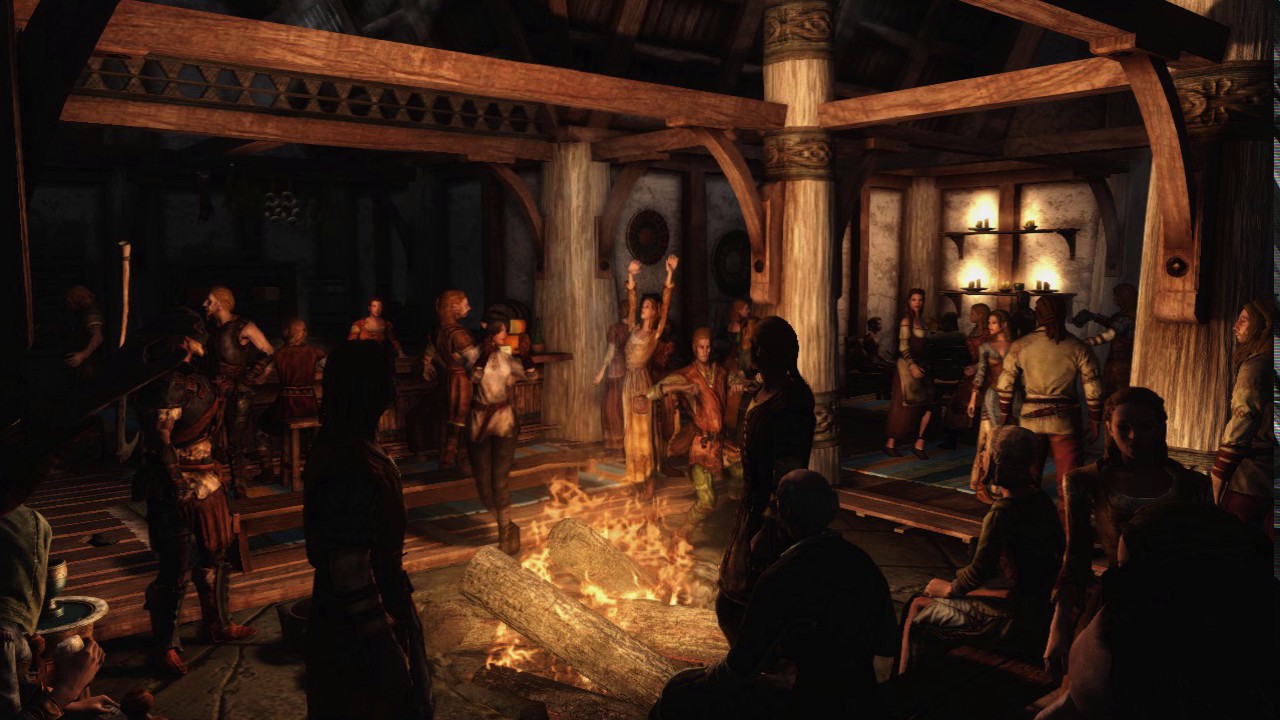
Basic Tavern Fare
It’s typical that a campaign has an overwhelming human presence, and thus you’ll likely have an abundance of human taverns. Even if the party will only be spending a short time at the tavern meeting ye olde quest giver having tavern fare available is a great way to set the mood and keep the players fed throughout. Below are a few items you’ll find in just about any tavern.
• Bread – If you live anywhere near a Walmart or similar establishment you can almost certainly get inexpensive bread from their bakery. Full loaves of French Bread often go for .99$, and there are often wonderful varieties that include garlic, Italian herb, and sometimes cheese-topped bread. To help set the mood look into oddly shaped loaves, sourdough balls are another great option, especially if you hollow them out and use them for bowls. Which brings us to.
• Stews – Stews are a common part of any tavern fare, in part thanks to the ability to use multiple inexpensive ingredients to make a little meat go a long way. If you aren’t interested in cooking, then you can always grab a few cans of Beef Stew off the shelves. Serving up this common dish in the bread bowl can help add to the atmosphere.
• Cheese Boards – Cheese boards are another great option and are simple to make. Select a few flavorful kinds of cheese and cut them into slices, and to give a bit more sophisticated air grab a soft cheese like Brie or Camembert and cut the top of the rind off to provide a dip for the bread slices. (see our post about cheeseboards from earlier this week)
• Charcuterie Board – This is just a fancy name for a tray of sliced meats available in any grocery store.
• Meat Pies – These are often a little more on the expensive side but meat pies, also known as pasties in medieval times, can be easy to make and are often available at convenience stores already prepared. You could also pick up a few boxes of hot pockets and serve them on a wooden tray.
• Ciders and other Beverages - Serving up sparkling apple ciders is a simple way to bring something unusual to the table, though if you're playing with an adult group some (lightly) alcoholic beverages can do even more. If your group is of the beer swilling type consider changing up their experience by bringing in unusual brews or something more exotic like mead (a honey wine).
These simple ingredients will help set a tavern atmosphere, especially if you combine them with wooden mugs, plates, and serving utensils with a few candles on the table. You’re going to want to take care with your gaming supplies to ensure they don’t wind up marked with grease and the like. If you’ve been eating pizza while gaming, however, this may already be a lost cause.
Other Tips
You can also spruce things up with some background music. I suggest bands like Danheim, Faun, Omnia, Brobdingnagian Bards, the Whiskey Bards, and countless others to properly set the mood. If you’re running a game at a fancy nobleman’s event, you may also consider looking up traditional chamber music to set the tone.
Setting the mood at your gaming sessions can add another dimension to the immersion in the world and help bring your world to life. This post is likely to be the first of a series, with others going into foods to serve to evoke thoughts of certain races from the flavorful vegetation heavy Elven dishes to the earthy flavors of Dwarven Cuisine.
Monday, November 12, 2018
Stan Lee Now Rests In Bragi's Hall
In the history of storytelling and fiction, there are legends, men who stand as Skalds to the mighty and tell tales that touch the heart and change the souls of those who read them. The genuinely talented weave stories that last long past their own time on this Earth, and on November 12th of this year Stan Lee, one of the founders of Marvel Comics, has gone to take his place in Bragi’s Hall. No doubt this son of Odin will have prepared quite the reception for a man who heralded in a new age of storytelling and wove tales that would last the ages.
The Fantastic Four was inspired by the success of The Justice League of America. Martin Goodman, another founder of Marvel, suggested that based on their success they should create their own team of superheroes. Consider the “nowhere world of comics” as Lee described it, the incredible success of The Fantastic Four was unprecedented. The world of comics would have been very different today if not for this success, as Stan was nearly ready to leave the industry when the cresting wave of success burst over the newly formed Marvel Comics.
With each new issue iconic characters of the still-cooling Marvel Universe came into existence, with Namor the Sub-Mariner becoming its first antihero in Issue #4. Immediately following on his heels came Doctor Doom, a stand-apart favorite of fans for generations.
This set a new bar for the industry which had, up until that point, told fairly simple stories contained in a single comic. A villain would appear, the hero would respond, and by the end of the issue, the conflict would be resolved with the hero victorious. Marvel Comics showed the world that storytelling in comics could be as complex and intense as that of the most respected writer, though the day when comics would be accepted as literature was far in the future and is part of another artists story.
It would be another 42 years before a Marvel Comics character appeared on the big screen, and it would be an unlikely one that took the screen. Howard the Duck, produced by Lucasfilm, was a raunchy and sarcastic character who, while he certainly had his sets of adventures, could hardly be called a superhero. In spite of this film being a commercial and critical failure, it received nominations for seven Razzie Awards.
Three years later The Punisher would be produced for $6 million less than Howard the Duck, no doubt thanks to the special effects budget and previous failure of his avian predecessor. Every few years another Marvel Character would take the big screen, with the pivotal moment occurring in 2000 when X-Men was released. Every following year no less than two, and often three or more, films would be made in the rapidly expanding Marvel Movie Universe. No more needs to be said about the astounding success of these movies and the depth to which they have affected our culture.
Stan Lee, the great Skald, revolutionized storytelling in movies in the same way he had done on the page. Complex storylines that involved multiple films, carefully interwoven, to achieve. I don’t believe it would be a stretch to say that Mr. Lee will be giving Shakespeare a run for his title as the world’s most celebrated Bard.
Doubtless, we will also continue to see his films produced and his stories expanded upon by those whose careful hands he has passed it to. The world will miss you Stan, and we can only take a moment to thank you for the indelible mark you have left upon comics, our lives, and the world. Rest well in Bragi’s hall old Skald; you’ve earned it.
From Humble Beginnings Comes Greatness
Stan Lee was born in an icy December in 1922, just three days after Christmas Day. Little did his parents know that as blessed as they must have felt with this new life in their arms, the stories he would weave and bring to the world would be a gift to millions. In 1961, at the not so tender age of 39, Stan Lee would work with Jack Kirby to create the iconic and groundbreaking The Fantastic Four, at the same moment birthing Marvel Comics into the world.The Fantastic Four was inspired by the success of The Justice League of America. Martin Goodman, another founder of Marvel, suggested that based on their success they should create their own team of superheroes. Consider the “nowhere world of comics” as Lee described it, the incredible success of The Fantastic Four was unprecedented. The world of comics would have been very different today if not for this success, as Stan was nearly ready to leave the industry when the cresting wave of success burst over the newly formed Marvel Comics.
With each new issue iconic characters of the still-cooling Marvel Universe came into existence, with Namor the Sub-Mariner becoming its first antihero in Issue #4. Immediately following on his heels came Doctor Doom, a stand-apart favorite of fans for generations.
A New Kind Of Storytelling In Comics
One of the things that quickly changed in their publication style involved the kinds of stories they wanted to tell. The first few comics contained entire story arcs that were resolved from start to finish, but Lee and Kirby wanted to do something more significant with more complex storylines. From that time forward the stories would grow more complex and cover several issues, with interweaving stories, characters, and relationships forming throughout.This set a new bar for the industry which had, up until that point, told fairly simple stories contained in a single comic. A villain would appear, the hero would respond, and by the end of the issue, the conflict would be resolved with the hero victorious. Marvel Comics showed the world that storytelling in comics could be as complex and intense as that of the most respected writer, though the day when comics would be accepted as literature was far in the future and is part of another artists story.
Off the Page, and Onto The Silver Screen
If one is to be technical the first Marvel Character to appear on the silver screen would have been Captain America in 1944. Their leap from the page to cinema doubtless fueled by the All-American nature of Captain America and the country presently being locked in the grips of World War II. At the time Captain America was part of Timely Comics, the company that would eventually turn into Marvel Comics.It would be another 42 years before a Marvel Comics character appeared on the big screen, and it would be an unlikely one that took the screen. Howard the Duck, produced by Lucasfilm, was a raunchy and sarcastic character who, while he certainly had his sets of adventures, could hardly be called a superhero. In spite of this film being a commercial and critical failure, it received nominations for seven Razzie Awards.
Three years later The Punisher would be produced for $6 million less than Howard the Duck, no doubt thanks to the special effects budget and previous failure of his avian predecessor. Every few years another Marvel Character would take the big screen, with the pivotal moment occurring in 2000 when X-Men was released. Every following year no less than two, and often three or more, films would be made in the rapidly expanding Marvel Movie Universe. No more needs to be said about the astounding success of these movies and the depth to which they have affected our culture.
Stan Lee, the great Skald, revolutionized storytelling in movies in the same way he had done on the page. Complex storylines that involved multiple films, carefully interwoven, to achieve. I don’t believe it would be a stretch to say that Mr. Lee will be giving Shakespeare a run for his title as the world’s most celebrated Bard.
He May Be Dead, But He Isn’t Quite Gone
While he will not be producing any more comics or characters, his foresight means that he’s not yet done participating in his own stories. Every cameo that was planned for the upcoming movies has already been filmed so we will be able to enjoy the man’s work, and a few more classic moments from him, even after death.Doubtless, we will also continue to see his films produced and his stories expanded upon by those whose careful hands he has passed it to. The world will miss you Stan, and we can only take a moment to thank you for the indelible mark you have left upon comics, our lives, and the world. Rest well in Bragi’s hall old Skald; you’ve earned it.
Cheeseboards: Not Just a Board for cutting Cheese
So as I was pouring over Facebook tonight, I stumbled upon an interesting DIY video describing the construction of a cheese board. Cheeseboards, for those who don't know, are simply boards upon which sliced cheese is served up, often with a wine accompaniment. The types of cheeses and wines used in these glorified snack trays vary and the history of pairing wine with cheese goes back a respectably long way. What immediately struck my curiosity was not these cheese and wine boards I've heard so much about, but instead the origin of the Cheeseboard itself.
Let's Start With... It Wasn't An Easy Search
It would probably have been easier if 'cheese board' wasn't a search term that gave you a million tips on how to pair cheese and wine and the history of the same. Every variation of "History of the Cheeseboard" I could come up with resulted in the same result, articles on how to pair your wine and cheese, and in many cases how a charcuterie board could add to the flavor profile of the whole thing.
(Hold your horses, we'll get to charcuterie boards soon enough.)
What I learned along the way is that there are as many ways to serve wine and cheese as there are countries, cultures, and families in the world. Experts of every stripe have differing opinions on how to pair these august companions. The journey was, if nothing else, educational. While I suspected there were near infinite variations of cheese in the world, I had no idea that they were classified under terms like "Winter Cheeses," defining those that were created from the previous summer's milk.
The lesson here?
The lesson here?
"Never underestimate the unnecessary levels of distinction food that has become 'trendy' and associated with the rich can obtain."
In all seriousness the information presented was fascinating, but outside the scope of this article. Fear not, I intend to tackle that one later. I've always been fascinated with cheese, probably as part of my blatant disregard for my health. I'm lactose intolerant.
So Where Does The Cheeseboard Come From?
So the answer, as you might have come to expect, is both straight-forward and a bit ambiguous. The origins of the cheeseboard, as referring to the item upon which you serve cheese, finds its roots in the trencher.
"Great, that's fascinating! What's a Trencher again?" I hear you ask.
See, I thought I knew the answer to this one myself, but it turns out I was wrong and right, you guessed it, it's going to be one of those kinds of articles. A trencher, as far back as culinary history will tell us, was originally a round flat piece of stale bread that was used to serve food on. Following the meal, this bread would either be eaten with a variety of sauces or handed out to the poor as alms. Clearly, there have been some changes since then.
The change began when trenchers stopped referring to pieces of stale bread that were served as a plate with a meal and instead applied to the flat wooden plates that took their place. Except technically, they aren't plates. As it turns out the definition of a plate requires that it has an upturned rim, a feature which your traditional wooden trencher lacked.
How far back did this tradition of using bread as a plate and then passing it to the poor go? It was referenced in the Aeneid when Aeneas was given a prophecy by Celaeno of the Furies that he and his men would arrive in Italy, but while they were there, they would "eat their tables." Guess what happened later in the Aeneid? If you guessed they ended up having to eat their trenchers because they couldn't afford to pass up the stale bread? You nailed it.
 |
| On the plus side he apparently discovered Pizza and the promised land in one fell swoop. |
And Finally - The Cheeseboard In Modern Day
Trenchers continued to remain in use into the modern day, though most people who think they're eating off a trencher are likely mistaken. My evidence for this is first hand as I am active in the Society for Creative Anachronism, a Medieval recreation organization and some of my earliest feast gear included a rectangular wooden plate with, you guessed it, an upturned rim. Making it, by our current definition, a plate, not a trencher.
Today the most common form of trencher has taken its name from what it is used to serve. You guessed it, that's the Cheeseboard. A word so commonly used that Grammarly (which I'm using to edit this article) apparently recognizes as a word. So there ya have it. The wandering history of the Cheeseboard.
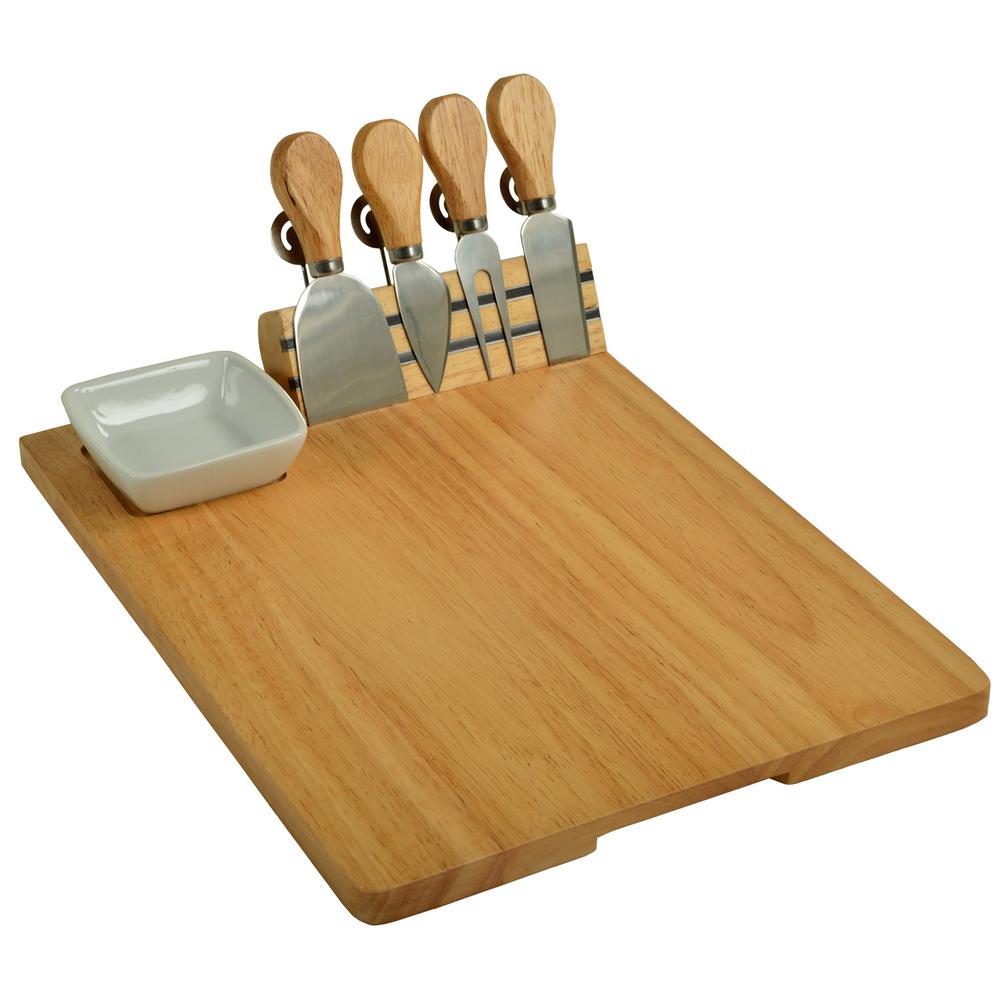 |
| A very lovely, and particularly fancy, modern Cheeseboard. |
No, we're not going to talk about how to prepare a cheeseboard today, that's a whole article unto itself. I do, however, intend to come back to that one in a future article.
Friday, November 9, 2018
The Black Sheep of Poly or: The OPP Heresy
Welcome back to the Menagerie my good readers! I want to be upfront and say that this is a piece that I'm reposting from an old blog of mine from about a year ago. I still feel the topic covered here is important and in need of continued discussion.
So I’ve been doing this poly thing for a while, not a terribly long time by some people’s standards, but remarkably successfully by others. In all that time I’ve discovered that for a community that is open, loving, and an absolute paragon of communication and emotional processing there is one thing that tends to bring all communication to a screeching halt.
That would be the OPP policy, Or “One Penis Policy”. Yes, I recognize that OPP Policy is redundant, but people still call Automatic Teller Machines “ATM Machines” so I imagine this bit of grammatical redundancy can be forgiven. That being said, let’s dive right in and explain what an OPP is and why, perhaps, it is so universally reviled among a group who otherwise professes that we should “Poly How It Works For You”.
First: What is an OPP? It’s pretty much written on the tin. A poly relationship in which there can be only one penis, but both partners are allowed to date all the women they want. A situation that’s especially problematic if the female partner is, I don’t know, a 1 on the Kinsey Scale? (That means straight as they come for those who aren’t familiar)
The Origins Of The Case Against OPP
We all know about those discussions, the ones where your average Joe will try to convince his wife to engage in a threesome. So long as the other partner is a woman of course. There’s a reason two men and one woman is called the Devil’s Threesome, and I like to believe that’s because even the most devout priest would soil himself dreaming of two naughty nuns, but the idea of another penis was too close to a nail from the crucifixion for him to be comfortable with.
Unless it was an underage boy perhaps? Ahem… Moving on.
There’s a lot of reasons for this that the men involved will quote you, and a lot of it probably comes down to a socially conditioned attitude about sexuality and a paralyzing fear of penises touching. There’s also a massive amount of insecurity likely floating around about penis size, which is something about which every walk of society is brutal.
Perhaps these can be forgiven.
Where the real problem begins is men who are wanting to get into a threesome for purely selfish reasons, especially where the word “Poly” gets thrown around in that context. They are only concerned about getting their fantasy fulfilled while still keeping their ‘home base’ all to themselves.
In the worst cases it isn’t just their primary partner that is subjected to the OPP, but all partners they have. This is commonly known as ‘the Harem Collector’, but I find that phrase problematic for reasons we’ll address later.
“But what if the partner is bi?” I hear you ask “Then doesn’t she get to have her cake and eat it too?”
Sure… If the partners he selects are all bisexual woman who are also interested in his wife. Such creatures are called Unicorns for a reason, they’re rare as hen’s teeth. (To be accurate, it’s not that such women are rare, it’s simply that the confluence of a woman who is both poly, interested in you, AND equally interested in your partner is a lot of variables to coordinate, and we can’t all roll 20’s all the time).
So, let’s see if we can narrow down the actual problem here, shall we?
The OPP is a problem when it unfairly benefits one side of the equation, where one or more partners are not happy with the situation (more on this later, it’s an important distinction), and where one or more partners are not having their needs met. Add in a few extra (and frighteningly common) parameters where coercion and control are involved, and the reason this is problematic becomes incredibly clear.
But Wait? Isn’t This Just A Bad Relationship?
Well now! That’s where you and I come into agreement! The factors involved in the relationship are unhealthy! It’s unbalanced, someone (or multiple someones) aren’t happy in the relationship, and their needs aren’t being met. The other elements mentioned above aren’t just an unhappy relationship, they’re an abusive relationship. None of these elements have ANYTHING TO DO with the fact that it’s an OPP. It’s just incredibly common with OPP relationships. And here is my opinion on why.
The problematic relationships that have an OPP are not Poly Relationships, they’re coerced relationships where infidelity is involved. Yes yes, one could argue that because someone agreed to it, it’s technically a poly relationship. So perhaps we can call it an unhealthy Poly relationship. That work for you? Good. Because at the end of the day it isn’t the OPP that’s the problem, remove it from the equation and the relationship is still a shitty relationship.
So maybe, just maybe, we can stop talking about the OPP being the problem, hmm?
There are plenty of relationships, solid, happy poly relationships, that invoke the OPP. It’s just what makes them happy. In the quest to help warn people and protect them from bad poly relationships where the OPP happens to be present we vilify those people who are in healthy OPP relationships and make them worried about speaking out.
Instead, we need to find a way to discuss “Healthy” poly relationships vs “Unhealthy” ones, without any discussion of the structure, and without vilifying any particular dynamic.
We are an open and inclusive community, one who celebrates love in all its forms. This seems to be one place where we forget that, and in the process begin to alienate people who might otherwise become allies and find a home among us. We need more examples of good OPP relationships so that we can hold them up against relationships that are unhealthy as examples.
Full disclosure. I’m in one such relationship, there’s even a name for it. “A Closed Bisexual Triumvirate”. We’ve been together for two years and counting and will be having a wedding for the three of us next year. It’s been a hell of a ride, and I’m hoping we manage to beat our mother-in-law’s present record, her and her two partners have been together for 25 years.
Thursday, November 8, 2018
Haven and Hearth: The King Of Wilderness Survival Games
Welcome back to the Menagerie! Today we're going to talk about the most enduring game in my collection, an MMORPG that has had an incredible impact on my perception of what a good game could be, and how a Wilderness Survival MMO with permadeath can be done right. This is decidedly a niche market in the industry, and one that is incredibly difficult to do well without overbalancing things towards a safe and fear-free existence or a slaughter fest driven by veteran players with an odd sense of "Fun".

What It Is
Haven and Hearth is a Wilderness Survival Game that is heavily based on the building and development of communities that work together for mutual benefit. Playing the game solo is entirely possible though it's difficult, if not impossible, to keep up with the larger factions that have copious amounts of manpower on their hands. Strangely, this doesn't in any way detract from the fun involved in playing a "Hermit" as the community refers to them, and many people have long and enjoyable careers playing this game without ever becoming part of an official community.
Haven and Hearth is in a perpetual Alpha, meaning that the mechanics in the game are always subject to change, with major changes resulting in a world reset. World resets are equally feared and anticipated, and the population of the game will swell to nearly 2000 players online at any given time during the early days following a reset. However, a reset also comes with a completely new map, an erasure of all the characters and the development that has been done on them. During this stage players jockey for position, looking for places that have good resources and attractive terrain to serve as their new home.
Unexpectedly it doesn't matter much whether you start at the beginning of a world or join it part way through, there is still opportunities to participate in the world and community meaningfully. A canny player can speed their character and villages development through scavenging decaying cities, gathering wild herbs, hunting wild animals, and procuring other resources they can trade with those who came before.
If it seems like I haven't spoken much about the gameplay itself yet, it's because the community has always been the centerpiece of what has drawn me to the game as a player, and has kept me coming back again year after year. Rather than going on about the game further at this point, I'm going to share the video on their homepage with you, just to give you a peek at what those who check this game out are in for. Be warned that Haven and Hearth has never placed great stock on the newest and greatest graphics, instead focusing on gameplay as the centerpiece of their development. Still, I think I would find myself saddened somewhat if they were to flash it up, the art style found in the game is part of its appeal.
Alright, you've gotten this far and no doubt spent a few minutes with the video, so now that we're all envisioning things the same way we can talk about why I feel the gameplay is amazing. But first, a warning. Haven and Hearth not only demands a great deal of time, but something about its design compels you to not only enjoy this aspect but compels you to keep coming back.
So What's So Great About The Gameplay?
I'm only going to be able to scratch the surface of the complexity of this game, meaning I'll have to talk about these aspects in broad strokes in this article. So I present here a bullet-point list:
- Active and Engaged Development Team - If you don't understand why this is first on the list as part of the games gameplay aspects, you've never sat and waited for months for simple updates to occur, bugs to be fixed, and new content to be released. Their content schedule sees regular small updates coming out every week and greater updates occurring at intervals.
- Skill-Based Advancement - Not since the days of Ultima Online have I seen a character development system that focuses on spending LP (This games version of XP) on individual skills that does it so well. There are no levels in this game, no classes. Just you, your stats, and your skills.
- Unique Stat Advancement - In the game, they're known as abilities, and you may be wondering how you can advance these if there are no levels? The answer is a robust and meaningful food system that requires you to think about what you eat, balance your diet to get the best results, know what to drink and when, and indulge in a variety of the over 200 foods to reach your personal stat goals.
- Unfarmable LP System - Remember, LP (Learning Points) are Haven and Hearths Experience Points. XP in this game does something entirely different. LP is primarily gained in this game by studying items you have to find or craft called curiosities. While there are ways to streamline your LP gain, you can't just grind it up by going out and killing mountains of beasties.
- Magic Done Different - Everyone in Haven and Hearth is capable of casting magic using their "Hearth Magic" system. But it isn't what you think. The Haven and Hearth magic system doesn't contain flashy attacks and glowing defenses. Instead, you can calm that wild horse so you can ride it longer, you can improve the depth (and therefore the quality) of your well, halve the time it takes you to study those curiosities we mentioned, and even tell where a meteor will strike the earth.
- Robust Crafting System - It is safe to say that Haven and Hearth is primarily a crafting and community development game, and as a result, there is a robust crafting system in place that essentially drives every aspect of advancement. From the clothes and equipment you wear to the food you eat, everything is made by the players.
- Clothes With Meaning and Variety - If you're familiar with MMORPG's, you're probably expecting that your equipment will come with stats that help to supplement your ability. You wouldn't be wrong, but you'd be quite wrong about how its implemented. Rather than having stats of their own (most) clothing has gilding slots that you can slot, you guessed it, gildings in. Gildings improve the stats of clothing, and any gilding can be placed in any garment that has gilding slots. However, some gildings work better with some clothing better than others. Like everything else on this list, it would take forever to explain this in depth, and so may require another article of its own, should I decide to revisit it.
- Completely Terraformable World - The world in Haven and Hearth is terraformable to a remarkable degree by the player base. Before you start dreaming about great ditches and towering motte and bailey fortresses, be aware that it requires an extensive amount of effort and time to complete any large-scale project.
- World Object's Appearance Based On Materials Used - Houses, Ovens, Garden Sheds, Carts, Wagons, and many of the other objects in the world change appearance depending on what materials you use to build them. This gives players a remarkable ability to leave their mark on the world in unique ways. Every stone, brick, and metal can be used to pave the ground, including the interiors of your homes, with a unique texture. Great works of pixel art have been done using this method.
These are just some of the aspects that make this game unique and engaging. Add in the unique combat system, the overwhelmingly 'natural' feel of the world with its real-world dangers and creatures, and siege systems that make it possible to defend your claims and villages while still maintaining a serious threat and you have a game that will keep you coming back for years.
Haven and Hearth got its start as most indy games do, with a pair of dreamers concocting an idea of a game that would stand apart from the usual fare and bring something interesting and unique to the industry. It was in 2005 that Jorb (That's pronounced Yorb) first came to Loftar and presented the idea of Haven and Hearth to him, and in 2007 succeeded in convincing Loftar to 'teach him how to make a game' resulting in a very vestigial single player version of the game.
It took all of a month for them to begin developing the code on a client/server model, a style of game that will be immediately familiar to anyone who owns and plays a game that cannot be played without logging into some server. The client is what you run on your desktop and gives you your interface, the server exists elsewhere managing the environment separately.
Since then the game has undergone 11 years of development, beginning with a quiet following that has steadily grown to include a dedicated group of players numbering in the thousands. To this day the game retains its free-to-play model, and has a unique approach to pay to play that is well balanced, is primarily cosmetic, and is in no way pay-to-win. Dark magics indeed.
Conclusion:
If you've made it this far, thank you for reading, and I hope you give Haven and Hearth a try. Next week I'll be posting about another favorite wilderness survival game of mine. While it's a single player game, it also had an important influence on Haven and is an excellent game in its own right. For those who want to take a peek, stop in and check out Unreal World, you can find it on Steam.
Disclaimer: I am in no way affiliated with Haven and Hearth, or its developer SeaTribe. Nor is this intended as a marketing blog, I am merely a huge fan of the game who has been playing it for years, and knows how hard it is to find a Wilderness Survival game that is both approachable and has the staying power to keep players coming back. The video embedded in this post is not mine, but is the property of SeaTribe and Haven and Hearth and was taken from their homepage.
Subscribe to:
Posts (Atom)